

The tool is not the weak point. The bit is.
A cordless drill will outlast dozens of bits, and the bit is almost always what decides whether a job takes five minutes or an afternoon.
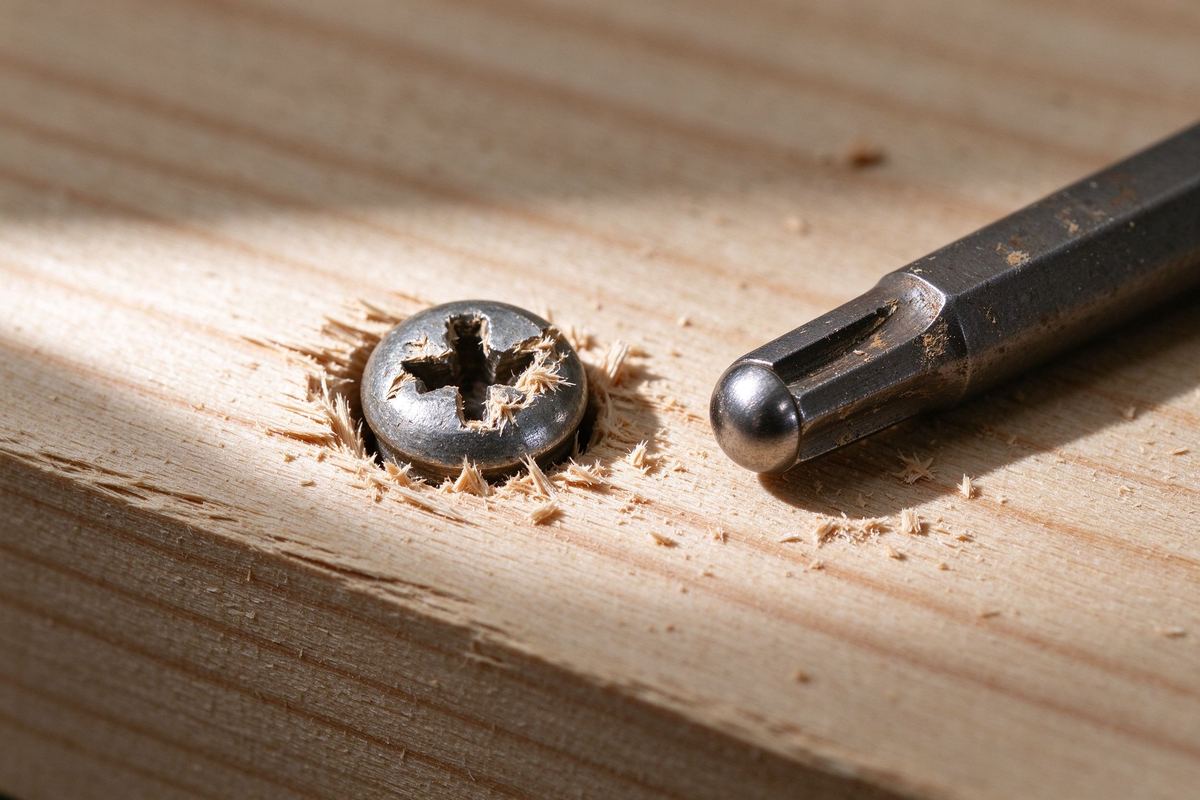
- ▪ The bit that comes in the box is one size. The screw in your hand is usually another, and that gap is how cross-heads get rounded.
- ▪ A worn bit does not look worn. It slips, chews the screw head, and then keeps slipping until the screw has to be cut out.
- ▪ Twist bits are consumables: they dull, they snap, they get lost. Bought one at a time, they cost more per bit than a set does.
- ▪ Having the right size on the bench is the difference between finishing the job and driving to the store.
Everything the chuck needs, for drilling and driving.
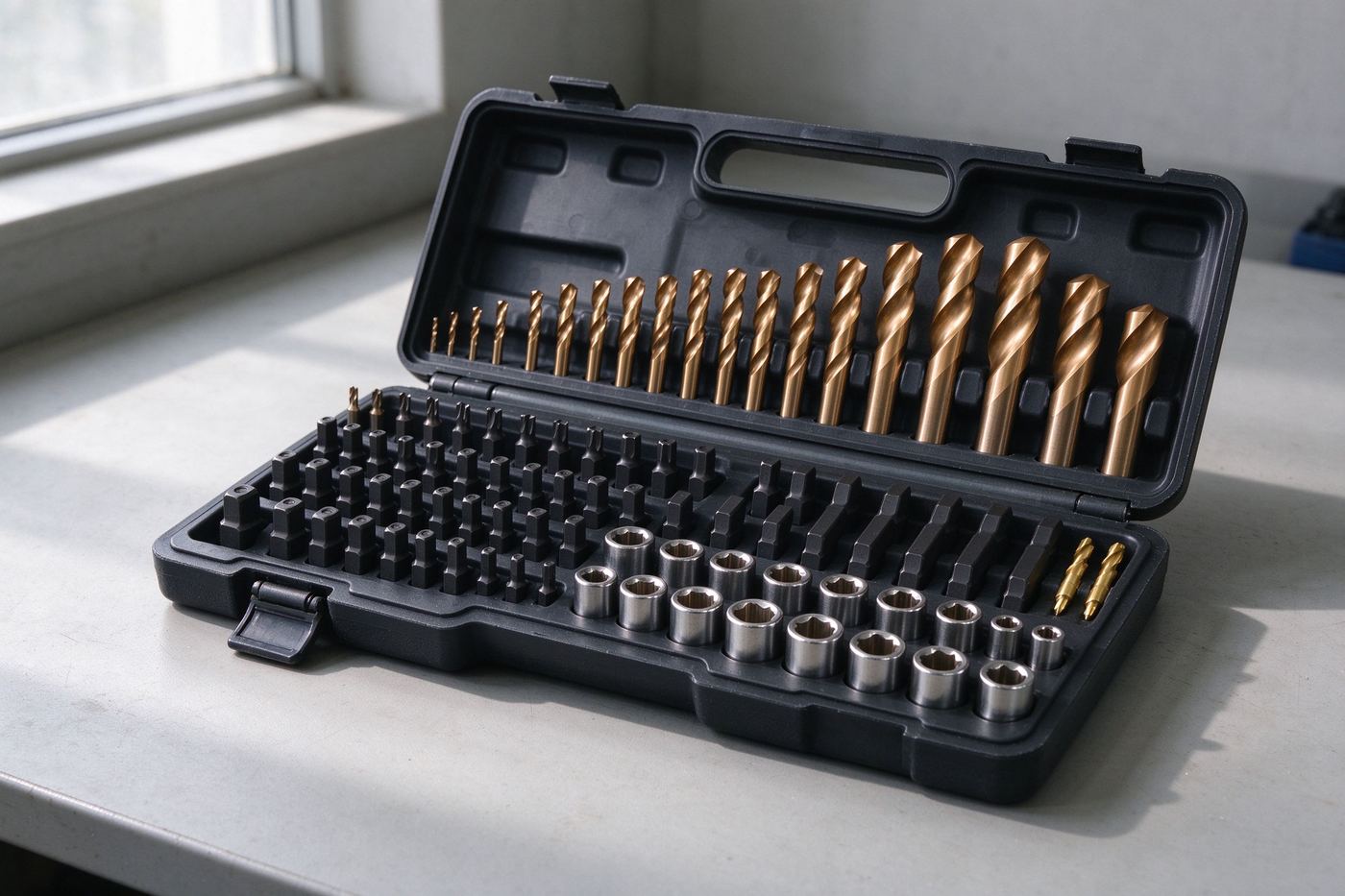
Two jobs, one set: making holes and turning screws. Every piece is 1/4 in hex, so it goes straight into a cordless drill, an impact driver or a quick-change holder with no adapter in between.
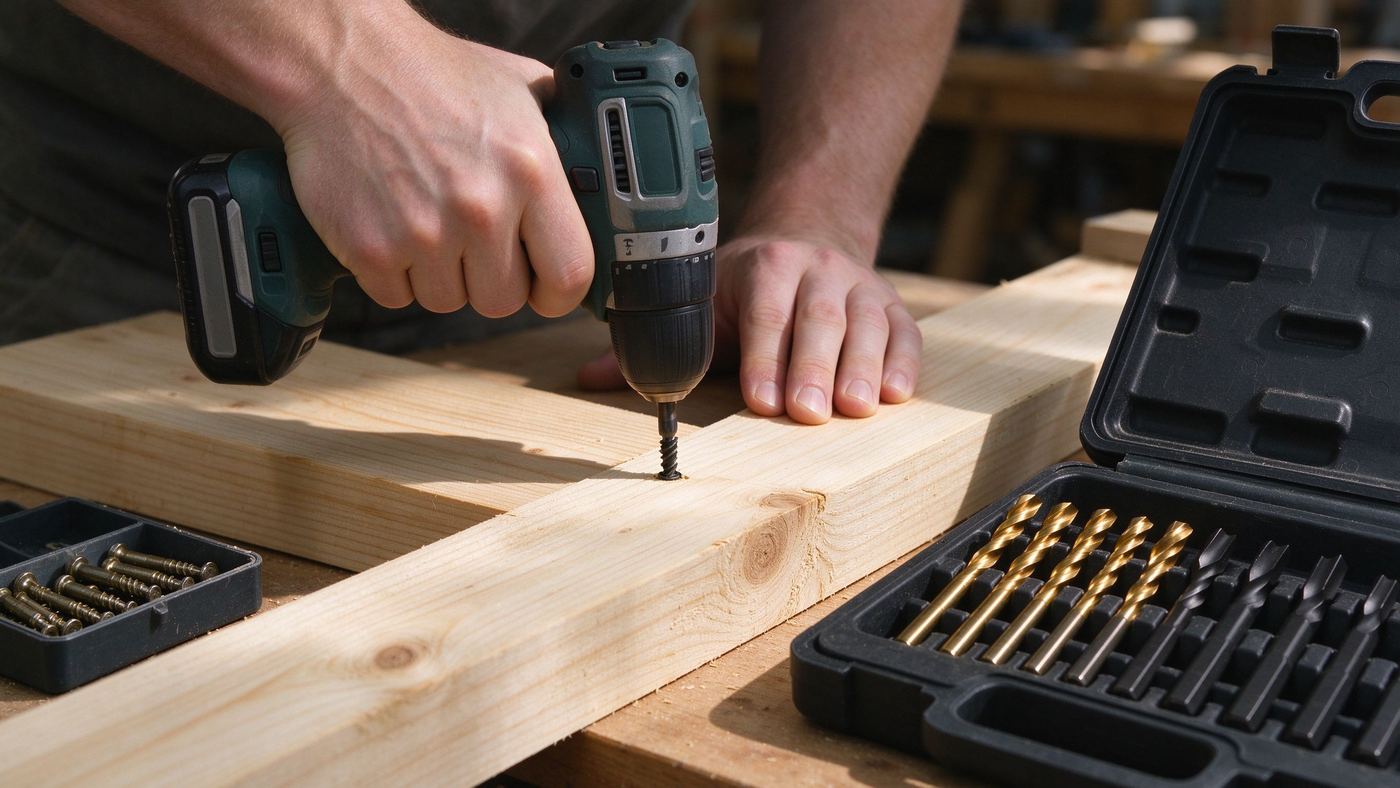
25 HSS twist bits from 1/16 in to 1/2 in in 1/64 in steps, titanium coated, with a 135° split point so they bite instead of skating.
40 one-inch insert bits and 20 two-inch power bits — Phillips, slotted, Torx, square and hex, all on a 1/4 in hex shank.
Five socket adapters, four nut drivers, four brad-point wood bits, a magnetic bit holder and a countersink.
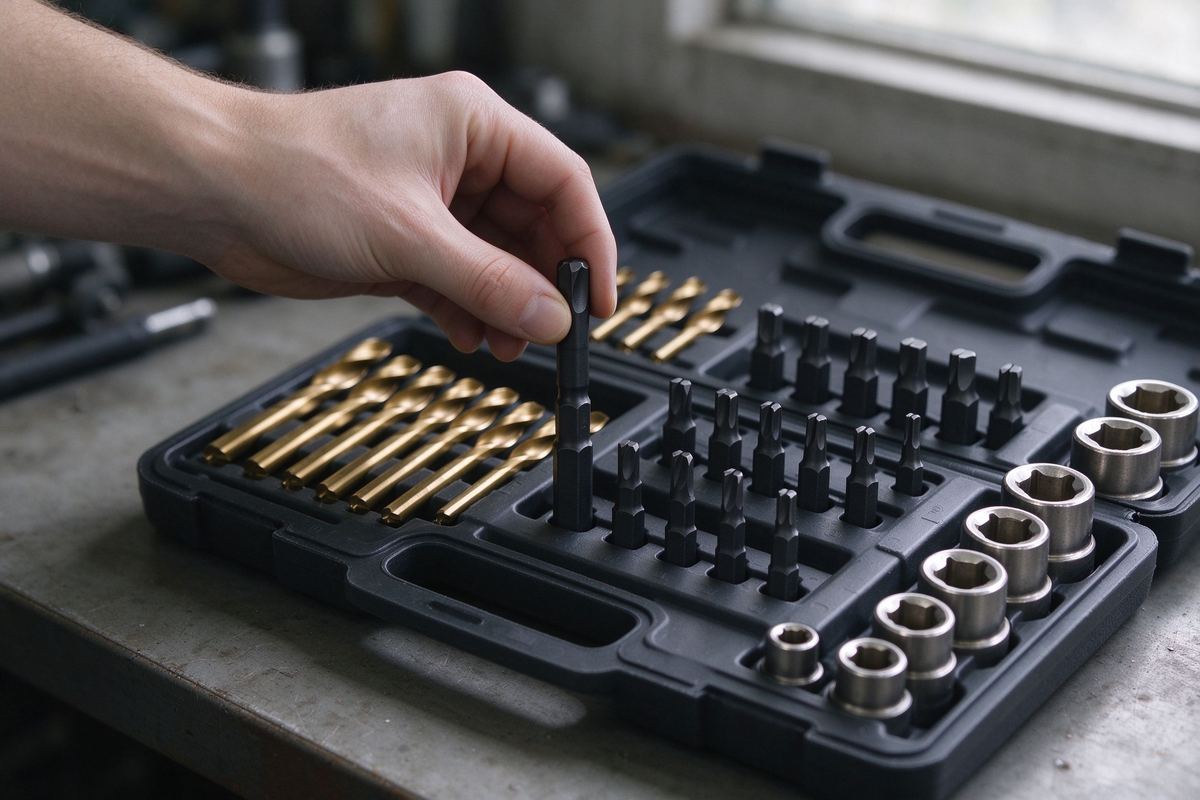
A molded glass-filled nylon case with a slot for every piece and a latch that stays shut, so nothing ends up loose in the bottom of a bag.
What separates a working bit from loose steel.
A bit is a simple object, so the differences live in the point geometry, the shank and the steel — which is exactly what a close look at the tip shows.
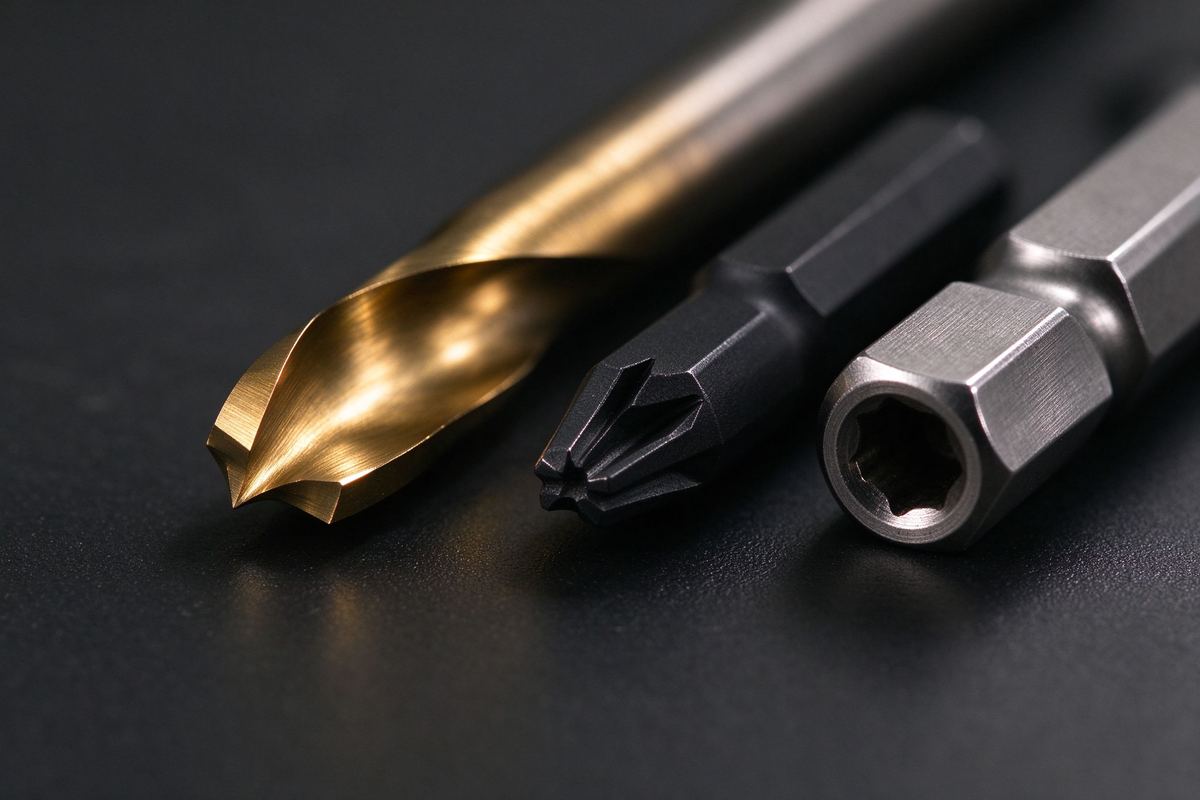
- ▪ A 135° split point on every twist bit. The point starts cutting at the center, so the bit bites where you set it instead of walking across a flat surface first.
- ▪ The titanium coating is a wear coating, not a hardness upgrade. It keeps the edge sharper for longer in wood and mild steel. It does not turn an HSS bit into one that will drill hardened steel, stainless, tile or masonry.
- ▪ Cutting geometry you can actually see. Evenly ground flutes clear chips instead of packing them, and packed chips are what overheat and dull a small bit.
- ▪ Shanks that sit square. The hex flats are machined, not stamped, so the bit runs true in a quick-change holder instead of wobbling once torque comes on.
Four rules that decide how long they last.
Bits do not wear out from use so much as from misuse, and all four of these take seconds.
A twist bit cuts by rotating; hammering it rounds the flutes and snaps the small sizes. Keep the drilling for the drill and the driving for the driver bits.
A small bit in a large screw head rounds it in a second. Try the next size up before you push any harder.
Low speed, steady pressure and a drop of cutting oil for mild steel. Higher speed and light pressure for wood. Let the bit cut rather than leaning on it.
On a deep hole, back out every few seconds so the flutes clear. A packed bit is a hot bit, and a hot bit is a dull bit.
What it fits, and what it is not for.
All 100 pieces are the same shank, so fit is simple. The limits are in the materials, and they are worth knowing before you start a hole.
| Goes into | What fits | Note |
|---|---|---|
| Cordless drill, keyless chuck | All 100 pieces | Hex shanks are gripped like round shanks; tighten the chuck onto the flats. |
| Impact driver or 1/4 in quick-change holder | Driver bits, socket adapters, nut drivers, brad-points, twist bits | No adapter needed. Keep the bit square to the screw or a cross-head will round. |
| Standard bit holder or multi-bit driver | 1 in insert bits | The 1 in insert bits seat fully; the 2 in power bits stand proud of the holder. |
| Wood, plastic, aluminum, mild steel | Twist bits | Mild steel: slow speed, steady pressure, a drop of cutting oil. |
| Not for masonry, stainless, hardened steel, glass or tile | — | Masonry needs a masonry bit; hardened steel needs cobalt. |
Note: The titanium coating is a surface wear treatment. It extends edge life in wood and mild steel; it does not make an HSS bit suitable for hardened steel, stainless or masonry.
Where a full set beats getting by.
Four ways to have bits on the bench, and the honest version of what each one costs you in time.
| At a glance | This 100-piece set | The bits that came with the tool | A drawer of loose bits | Single bits, bought as needed |
|---|---|---|---|---|
| What you get | 25 twist + 60 driver bits + 5 socket adapters + 4 nut drivers + 4 brad-points + 2 accessories | Usually two or three pieces | Unknown sizes, mixed together | One size per purchase |
| Sizes covered | 1/16–1/2 in twist bits, every common screw head | Whatever the tool shipped with | Whatever survived | One size and one length |
| Finding the right piece | Indexed case, in size order | Loose in the tool bag | Tip them out and sort | Order it, then wait for it |
| When one rounds or snaps | Replace that piece and carry on | The set is over | You cannot tell which are still sharp | Back to the store |
| Best for | Keeping a drill and a driver working on any job | Occasional household jobs | Getting by | One specific material or screw |
All one hundred pieces, listed.
The counts add up to 100, and the sizes are the ones you actually meet on a job: 1/16 in to 1/2 in twist bits and every common screw head.
| Specification | Value |
|---|---|
| Pieces | 100 |
| Shank | 1/4 in hex on all 100 pieces |
| Twist drill bits | 25 × HSS, titanium coated, 1/16–1/2 in in 1/64 in steps, 135° split point |
| Insert bits | 40 × 1 in, 1/4 in hex — Phillips PH0–PH3, slotted, Torx T10–T40, square SQ1–SQ3, hex 2–6 mm |
| Power bits | 20 × 2 in, 1/4 in hex, in the most-used driving sizes |
| Socket adapters | 5 × 1/4, 5/16, 11/32, 3/8 and 7/16 in |
| Nut drivers | 4 × 1/4, 5/16, 3/8 and 7/16 in |
| Brad-point wood bits | 4 × 1/8, 3/16, 1/4 and 5/16 in |
| Accessories | 2 × 1/4 in hex — magnetic bit holder and countersink |
| Materials | HSS twist bits, S2 steel driver bits, chrome-vanadium socket adapters |
| Case | Molded glass-filled nylon, hinged, slotted, with a latch and carry handle |
| Care | Wipe with an oiled cloth after metal work, then back in the case |
25 × HSS titanium twist drill bits, 1/16–1/2 in
40 × 1 in insert bits, 1/4 in hex
20 × 2 in power bits, 1/4 in hex
5 × socket adapters
4 × nut drivers
4 × brad-point wood bits
1 × magnetic bit holder
1 × countersink
1 × indexed case
Bits are consumables. Replace any piece that has rounded, chipped or bent — a worn bit damages the screw head, then the workpiece, then your patience, in that order.
Twist bits and the countersink are sharp. Keep the case latched between jobs.
Four habits worth keeping.
Small bits fail in predictable ways, and all of them are avoidable.
- ▪ Eye protection, every time. Small drill bits snap without warning, and when they snap the pieces move fast.
- ▪ Brace the work. A board that shifts takes the bit with it and pulls the drill off line, which is when the bit bends.
- ▪ Stop before you force it. Extra pressure on a dull bit heats the steel and rounds the tip. Change the bit instead.
- ▪ Keep the case latched. Sharp pieces rattling loose in a bag end up against your fingers, and loose bits are the ones that go missing.
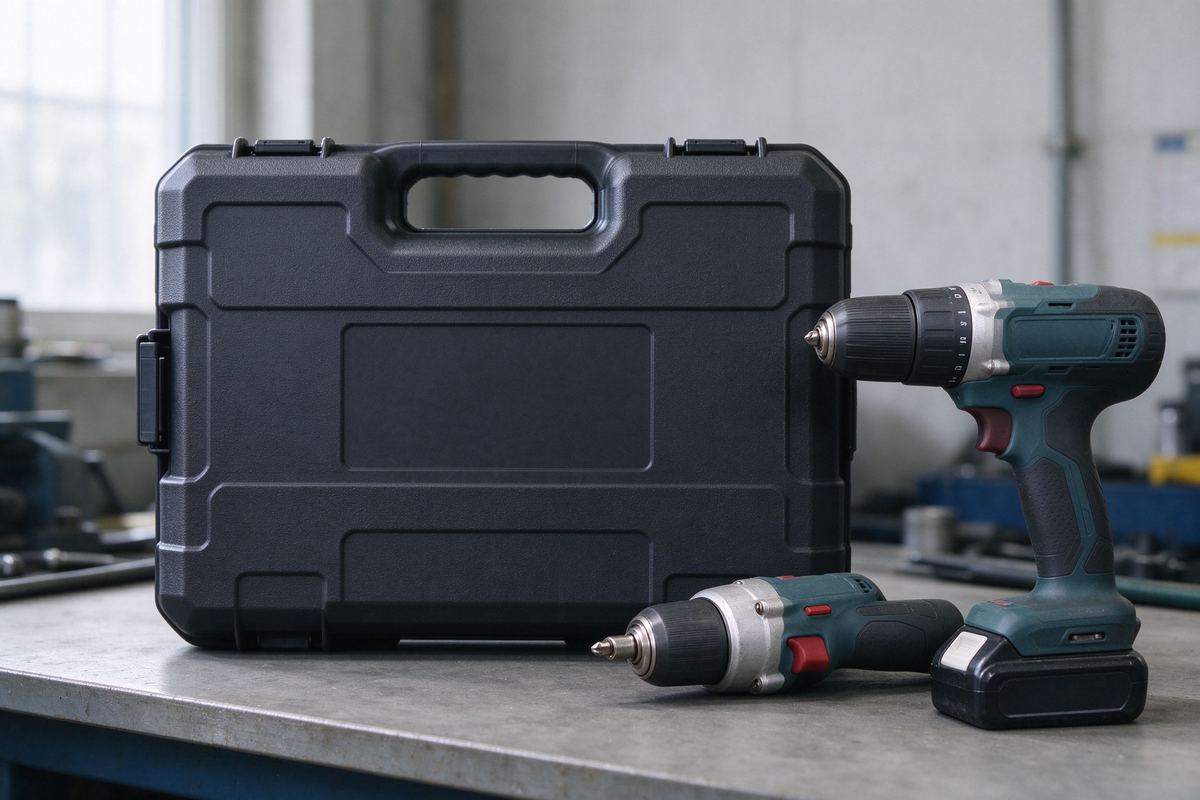
All 100 pieces are 1/4 in hex, which fits a keyless three-jaw chuck, an impact driver and any quick-change holder. No adapter is needed for anything in the set.
Wood, plastic, aluminum and mild steel, at low speed with a drop of cutting oil. They will not drill stainless steel, hardened steel, tile, glass or masonry.
It is a surface wear coating that keeps the cutting edge sharper for longer in wood and mild steel. It is not a hardness upgrade, and it does not change what the bit can drill.
They are 1/4 in hex and made to be used in one. Keep the bit square to the screw head: an impact driver will round a cross-head quickly if the bit is off-angle.
Back in their slots, with the case latched. After metal work, wipe each piece with an oiled cloth so nothing sits in the flutes.
- ▪ 100 pieces, all 1/4 in hex: 25 titanium twist bits, 60 driver bits, five socket adapters, four nut drivers, four brad-points and two accessories.
- ▪ Twist bits from 1/16 in to 1/2 in with a 135° split point that bites instead of skating.
- ▪ Every piece has its own slot in a latched case, in size order, so a set stays a set.
- ▪ The titanium coating is a wear coating: these are wood, plastic, aluminum and mild-steel bits.
100 pieces, 1/4 in hex, indexed in size order.



Reviews
There are no reviews yet.